
━━━━━━━━━━━━━━━━━━
Cover Story No. 004
The Stories That Define Korea.
━━━━━━━━━━━━━━━━━━
Korean Street Food
The Ultimate Guide to Korea’s Most Delicious Street Food
Hero Summary
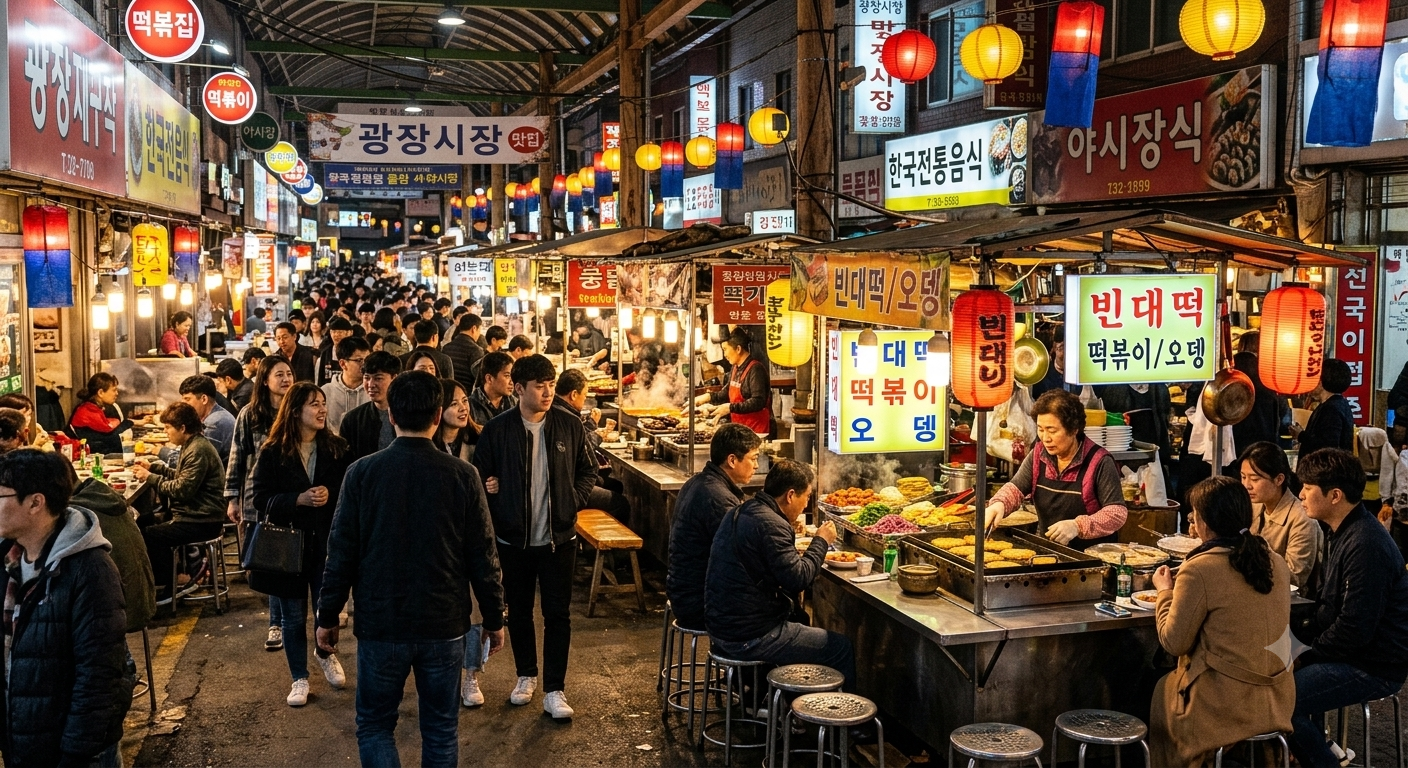
Korean street food is more than a quick snack—it’s a cultural experience that brings together tradition, creativity, and the warmth of everyday life. From the bustling alleys of Seoul to vibrant traditional markets across the country, visitors can discover flavors that have become symbols of modern Korean culture.
Whether you’re tasting spicy tteokbokki for the first time, enjoying crispy hotteok on a winter evening, or exploring a lively night market filled with sizzling aromas, Korean street food offers one of the most authentic ways to experience the country.
This guide introduces Korea’s most popular street foods, where to find them, and practical tips to help you enjoy them like a local.
Quick Facts
Best Time to Visit: Year-round
Recommended Trip: 2–5 Days
Top Food Destinations: Seoul, Busan, Jeonju, Daegu
Perfect For: Food Lovers, Families, Solo Travelers, Couples
Highlights: Traditional Markets, Night Markets, Local Snacks, Korean Cuisine, Local Culture
Article Highlights
In this guide, you’ll discover:
- The story behind Korea’s vibrant street food culture
- 10 must-try Korean street foods every traveler should experience
- The best traditional markets and food streets across Korea
- Regional specialties you won’t find anywhere else
- Typical prices and budgeting tips for food lovers
- Local dining etiquette and practical travel advice
Why Korean Street Food Is Special
Street food has been part of Korean daily life for generations. While modern cafés and fine dining continue to grow in popularity, traditional food stalls remain one of the best places to experience authentic Korean flavors.
Unlike many countries where street food is simply a quick meal, Korea’s markets combine food, local culture, shopping, and social interaction into one unforgettable experience.
Many recipes have been passed down through families for decades, while younger vendors continue to reinvent classic dishes with modern twists.
For travelers, street food is one of the easiest, most affordable, and most memorable ways to discover Korea.
Top 10 Must-Try Korean Street Foods
1. Tteokbokki (Spicy Rice Cakes)
One of Korea’s most iconic street foods, tteokbokki features chewy rice cakes simmered in a rich gochujang-based sauce that balances sweetness and spice. Often served with fish cakes and boiled eggs, it’s a must-try dish for first-time visitors.
Best Places
- Gwangjang Market (Seoul)
- Myeongdong Street Food Area
2. Hotteok (Sweet Pancake)
A crispy pancake filled with brown sugar, cinnamon, and chopped nuts. Hotteok is especially popular during the colder months, offering a warm and comforting treat that’s loved by locals and tourists alike.
Best Places
- Namdaemun Market
- BIFF Square (Busan)
3. Eomuk (Fish Cake Skewers)
Served on skewers in a flavorful hot broth, eomuk is one of Korea’s favorite comfort foods. Many vendors offer complimentary cups of the savory broth, making it perfect for a quick and satisfying snack.
4. Gimbap
Often compared to sushi rolls, gimbap is made with seasoned rice, vegetables, egg, and fillings such as tuna or beef, all wrapped in roasted seaweed. It’s convenient, affordable, and ideal for travelers on the go.
5. Sundae
Korean blood sausage is one of the country’s oldest traditional street foods. Filled with glass noodles and various seasonings, it’s commonly served with salt or spicy dipping sauce.
6. Twigim (Korean Tempura)
Fresh vegetables, shrimp, squid, and sweet potatoes are coated in a light batter and deep-fried until golden and crispy. They’re often enjoyed alongside tteokbokki for the perfect combination.
7. Dakgangjeong
Crispy bite-sized fried chicken coated in a sweet and spicy glaze. This addictive snack has become a favorite among both locals and international visitors.
8. Bungeoppang
A fish-shaped pastry traditionally filled with sweet red bean paste, though modern versions may include custard, chocolate, or cream cheese.
9. Tornado Potato
A spiral-cut potato fried on a stick and seasoned with a variety of flavors, including cheese, barbecue, and spicy powder. It’s a fun and photogenic snack popular at festivals and food streets.
10. Korean Corn Dog
Korean corn dogs have become a global sensation thanks to K-pop and K-dramas. Many feature mozzarella cheese, diced potatoes, or a light coating of sugar, creating a unique combination of crispy, savory, and sweet flavors.
Best Markets for Korean Street Food
Gwangjang Market (Seoul)
Established in 1905, Gwangjang Market is one of Korea’s oldest and most famous traditional markets. It is internationally recognized for authentic Korean street food, including bindaetteok (mung bean pancakes), mayak gimbap, handmade noodles, and fresh local specialties.
Whether you’re visiting for breakfast, lunch, or dinner, the market offers an unforgettable culinary experience filled with local flavors and vibrant energy.
Location
Jongno-gu, Seoul
Official Website
Seoul Metropolitan Government
Local Tourism
Visit Seoul
Myeongdong Street Food (Seoul)
Myeongdong is one of Korea’s busiest shopping districts and transforms into a lively street food destination each evening.
Visitors can enjoy a mix of traditional Korean snacks and creative modern street foods while exploring fashion stores, beauty shops, and cafés.
Popular Foods
- Korean Corn Dogs
- Grilled Lobster
- Egg Bread
- Tornado Potato
- Fresh Fruit Juice
Location
Myeongdong, Jung-gu, Seoul
Official Tourism
Visit Seoul
Jagalchi Market (Busan)
Busan’s iconic seafood market offers travelers an opportunity to experience Korea’s coastal food culture.
Fresh seafood prepared on-site, local fish cakes, grilled shellfish, and regional specialties make Jagalchi Market one of Korea’s most unique food destinations.
Location
Busan
Official Tourism
Visit Busan
Jeonju Nambu Market
Jeonju is widely regarded as one of Korea’s culinary capitals.
Nambu Market is famous for traditional Korean dishes, local snacks, and its vibrant night market featuring creative foods prepared by young chefs and local vendors.
Location
Jeonju, Jeollabuk-do
Official Tourism
Jeonju City Tourism
Regional Street Food Specialties
Every region of Korea has developed its own unique street food traditions based on local ingredients and culinary heritage.
Seoul
- Tteokbokki
- Mayak Gimbap
- Hotteok
- Korean Corn Dogs
Busan
- Eomuk (Fish Cakes)
- Ssiat Hotteok (Seed Hotteok)
- Fresh Seafood
Jeonju
- Bibimbap-inspired Snacks
- Handmade Dumplings
- Traditional Korean Desserts
Daegu
- Napjak Mandu
- Spicy Grilled Chicken
- Local Night Market Foods
Exploring regional specialties allows travelers to experience the diversity of Korean cuisine beyond the country’s most famous dishes.
Price Guide
One of the biggest advantages of Korean street food is its affordability.
| Food | Typical Price |
|---|---|
| Tteokbokki | ₩4,000–6,000 |
| Hotteok | ₩2,000–3,500 |
| Fish Cake | ₩1,500–2,500 |
| Gimbap | ₩3,500–5,500 |
| Korean Corn Dog | ₩4,000–6,000 |
| Tornado Potato | ₩4,000–5,500 |
Prices may vary depending on location and seasonal events.
Food Etiquette
While Korean street food is casual and welcoming, observing a few local customs can make your experience more enjoyable.
- Dispose of trash in designated bins whenever available.
- Some markets provide shared standing tables for customers.
- Cashless payment is widely accepted, but carrying a small amount of cash is still helpful at traditional markets.
- Be patient during busy hours, as popular vendors often have long lines.
- Respect local vendors and avoid blocking walkways while taking photos.
Traveler’s Tips
- Visit popular markets early to avoid long waiting times.
- Try sharing dishes with friends so you can taste a wider variety of foods.
- Bring wet tissues or hand sanitizer for convenience.
- Wear comfortable shoes, as traditional markets often require extensive walking.
- Check official tourism websites for seasonal food festivals and market events before your trip.
Shopping Tips
Exploring Korean street food is also a great opportunity to discover unique local products and edible souvenirs.
Popular items to bring home include Korean seaweed, traditional snacks, roasted seaweed chips, honey butter almonds, premium instant ramen, Korean teas, and locally made sweets. Many traditional markets also sell handmade kitchenware, chopsticks, ceramics, and Korean tableware that make meaningful gifts.
For food-related shopping, supermarkets such as Lotte Mart, Homeplus, and E-Mart offer fixed prices and tax refund services for eligible international visitors.
Did You Know?
- South Korea has over 1,500 traditional markets across the country.
- Gwangjang Market, established in 1905, is one of Korea’s oldest continuously operating traditional markets.
- Korean street food has gained worldwide popularity through K-dramas, K-pop, and social media.
- Many famous Korean dishes first became popular through humble market stalls before appearing in restaurants.
- Night markets have become major tourist attractions, combining food, shopping, and live entertainment.
Editor’s Note
Food tells the story of a country.
In Korea, street food reflects generations of tradition while constantly evolving through creativity and innovation. Every market, every vendor, and every recipe offers visitors a chance to experience Korean culture beyond museums and tourist landmarks.
Whether you’re visiting Seoul for a weekend or exploring Korea for several weeks, make time to wander through a local market, follow the aroma of freshly prepared food, and discover flavors that locals have loved for generations.
Sometimes, the best memories of a journey begin with something as simple as a warm snack shared on a busy street.
Frequently Asked Questions
What is the most popular Korean street food?
Tteokbokki is widely considered Korea’s most iconic street food, followed by hotteok, fish cakes, Korean corn dogs, and gimbap.
Is Korean street food spicy?
Not all dishes are spicy. While tteokbokki is known for its spicy sauce, many options such as hotteok, gimbap, fish cakes, and bungeoppang are mild and suitable for most visitors.
Is street food safe in Korea?
Yes. Korea maintains high food safety standards, and popular markets are generally clean and well-managed. Choosing busy vendors with high customer turnover is always a good practice.
Can I pay with a credit card?
Most modern street food vendors accept credit cards and mobile payments, although carrying a small amount of Korean Won is recommended when visiting traditional markets.
Are vegetarian options available?
Some foods, including vegetable gimbap and certain pancakes, may be suitable for vegetarians. However, many dishes contain seafood broth or meat-based ingredients, so asking before ordering is recommended.
Related Articles
Continue discovering Korea with these guides from Korea Inc.
- Best Traditional Markets in South Korea
- The Ultimate Guide to Seoul
- Korean Café Culture Explained
- Best Night Markets in Korea
- Korean Food Every Traveler Should Try
Official Resources
For the latest visitor information, market locations, and travel guidance, please refer to official tourism websites.
- Korea Tourism Organization (Visit Korea)
- Visit Seoul
- Visit Busan
- Jeonju Culture & Tourism
- Korea Agro-Fisheries & Food Trade Corporation (aT)
Final Thoughts
Korean street food is much more than a collection of delicious snacks. It represents everyday life, local traditions, and the welcoming spirit of Korean communities.
From historic markets that have served generations of families to modern food streets inspired by global trends, every destination offers something unique to discover.
If you truly want to experience Korea, don’t just visit famous landmarks—explore its markets, meet local vendors, and taste the dishes that have become part of the country’s cultural identity.
The flavors you discover may become some of the most unforgettable memories of your journey.
━━━━━━━━━━━━━━━━━━
Welcome to Korea Inc.
Discover Korea.
Experience Korea.
Live Korea.
━━━━━━━━━━━━━━━━━━