
Cover Story No. 006
The Stories That Define Korea.
Living Tradition: How Ancient Korea Still Shapes Modern Life
Explore Korean Culture through hanbok, hanok villages, Confucian traditions, temple stays, and cultural festivals. Discover how Korea’s timeless heritage continues to inspire modern life.
Quick Facts
- Country: South Korea
- Category: K-Culture
- Reading Time: 8–10 minutes
- Best For: Travelers, culture enthusiasts and first-time visitors
- Focus: Traditional culture in modern Korea
Article Highlights
- Why tradition still matters in modern Korea
- The meaning of Hanbok and Hanok
- Korean tea culture and temple traditions
- Confucian values in everyday life
- Traditional holidays and family customs
- Where travelers can experience authentic Korean culture
Where the Past Meets the Future
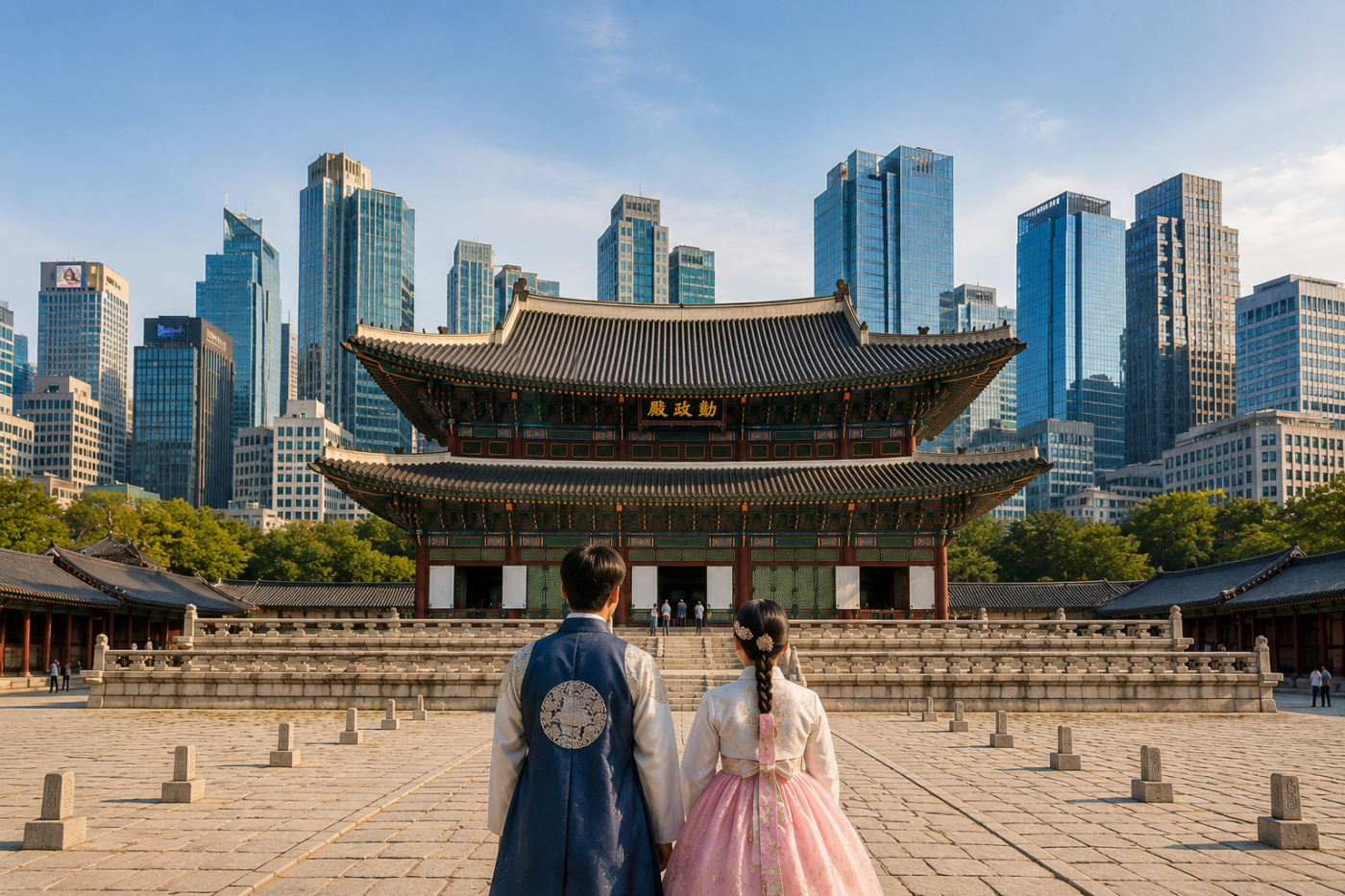
Walking through Seoul often feels like traveling through two different centuries at once.
Glass skyscrapers tower above centuries-old palaces, while busy subway stations sit only minutes away from quiet traditional villages. This unique contrast is one of Korea’s greatest cultural strengths. Rather than replacing its history with modern development, Korea has found ways to preserve and celebrate both.
Visitors quickly realize that tradition is not something displayed only in museums. It is alive in daily routines, family values, architecture, festivals, and even modern fashion.
Hanbok: More Than Traditional Clothing
Hanbok is one of Korea’s most recognizable cultural symbols.
Although it is no longer everyday attire, Koreans proudly wear hanbok during weddings, traditional ceremonies, and national holidays such as Seollal (Lunar New Year) and Chuseok (Harvest Festival).
In recent years, modern designers have also introduced contemporary versions of hanbok that combine traditional elegance with modern fashion, making it increasingly popular among younger generations and international visitors.
Many tourists choose to rent hanbok while exploring Gyeongbokgung Palace, creating one of Seoul’s most iconic travel experiences.
Hanok: Traditional Homes with Modern Appeal
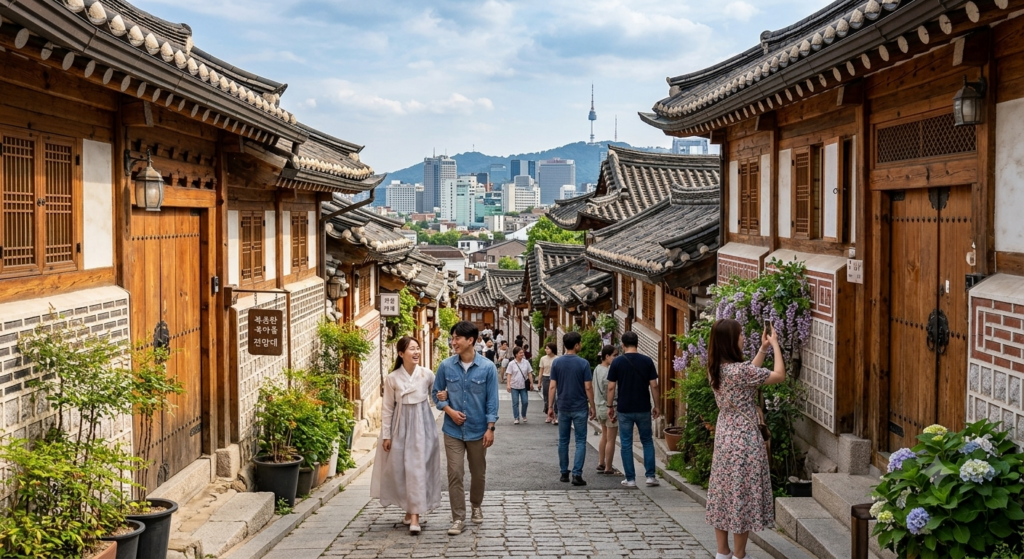
Hanok represents Korea’s architectural philosophy of harmony with nature.
Built primarily from wood, stone, and clay, traditional hanok houses maximize natural light and airflow while maintaining comfortable indoor temperatures throughout the year.
Today, neighborhoods such as Bukchon Hanok Village and Jeonju Hanok Village allow visitors to experience traditional Korean architecture firsthand.
Many restored hanok buildings now operate as boutique hotels, cafés, libraries, and cultural centers, offering an unforgettable blend of heritage and modern comfort.
Tea Culture and Mindful Living
Korean tea culture reflects the country’s appreciation for simplicity, patience, and respect.
Traditional tea ceremonies emphasize calm conversation, thoughtful preparation, and mindfulness rather than strict rituals.
Visitors can experience authentic tea ceremonies in traditional tea houses throughout Insadong, Jeonju, and various Buddhist temples across the country.
This peaceful cultural experience provides a welcome contrast to Korea’s fast-paced urban lifestyle.
Confucian Values in Daily Life
Although contemporary Korea is highly modern, Confucian philosophy continues to influence many aspects of society.
Respect for elders, family responsibility, education, and courtesy remain important cultural values.
These traditions can be observed in everyday interactions, including greeting customs, family gatherings, workplace etiquette, and even dining practices.
Understanding these values helps visitors appreciate the deeper meaning behind Korean hospitality and social relationships.
Celebrating Tradition Through Festivals
Traditional holidays remain among the most meaningful events on the Korean calendar.
During Seollal, families gather to honor their ancestors, prepare traditional foods, and exchange blessings for the new year.
Chuseok celebrates the autumn harvest and family reunions with traditional rituals, music, dance, and regional cuisine.
For travelers, these holidays provide a rare opportunity to witness living traditions that have been passed down for generations.
Experiences Every Traveler Should Try
Visitors looking to explore authentic Korean culture should consider:
- Wearing hanbok at Gyeongbokgung Palace
- Staying overnight in a traditional hanok
- Participating in a temple stay program
- Joining a Korean tea ceremony
- Visiting traditional markets
- Exploring Bukchon Hanok Village
- Experiencing cultural festivals throughout the year
Each experience offers a deeper understanding of Korea beyond its famous attractions.
Why Korean Tradition Continues to Inspire the World
As Korean culture gains global recognition through K-Pop, Korean cinema, beauty, and cuisine, many international visitors become curious about the country’s deeper cultural roots.
What makes Korea unique is not only its rapid modernization but also its ability to preserve traditions while embracing innovation.
This balance allows visitors to experience a nation where history remains part of everyday life rather than simply a chapter in the past.
Traveler’s Tips
- Visit palaces early in the morning to avoid crowds.
- Rent hanbok for free or discounted palace admission where applicable.
- Respect photography rules inside temples.
- Remove shoes when entering traditional homes.
- Learn simple greetings to enhance cultural interactions.
Did You Know?
Many modern Korean cafés, hotels, and cultural spaces are built inside beautifully restored hanok buildings, allowing visitors to experience traditional architecture without sacrificing modern comfort.
Editor’s Note
Korea’s greatest cultural strength lies not only in preserving its history but in allowing tradition to evolve alongside modern society. For travelers seeking authentic experiences, understanding these living traditions offers a deeper connection to Korea beyond its famous landmarks.
Frequently Asked Questions
Is hanbok only worn by tourists?
No. Koreans continue to wear hanbok during important holidays, weddings, family ceremonies, and cultural events.
Can foreigners stay in a traditional hanok?
Yes. Many hanok have been converted into guesthouses and boutique accommodations that welcome international visitors.
What is a temple stay?
Temple Stay programs allow visitors to experience Buddhist culture through meditation, tea ceremonies, communal meals, and overnight stays.
Is Korean culture influenced by Confucianism today?
Yes. Respect for elders, education, family relationships, and social etiquette continue to reflect Confucian traditions in modern Korean society.
Related Articles
Continue exploring Korea through these featured stories from Korea Inc.
- Why Korea Is Becoming One of the World’s Top Travel Destinations
- Korean Beauty | Why K-Beauty Continues to Influence the World
- Korean Food Guide | Must-Try Traditional Dishes and Local Favorites
- Seoul Travel Guide | Historic Palaces, Hidden Alleys and Modern Attractions
Official Resources
Korea Inc.
Discover Korea Beyond the Headlines.